Gregory Hiking Backpacks: Find the Right Pack for Every Trail
Choosing a backpack is one of the most personal decisions in outdoor gear. Gregory hiking backpacks are designed around comfortable weight distribution, practical organization, and fit across different body types. The wider range of Gregory backpacks at Appalachian Outfitters includes ventilated daypacks, multi-day backpacking packs, travel-ready bags, and basecamp organization gear.
Gregory Backpacks: What the Collection Covers
The Gregory hiking backpacks collection here spans four main categories. Daypacks cover everything from compact lightweight options for shorter hikes to 30-liter packs with integrated hydration for full-day efforts. Multi-day backpacking packs handle overnight trips and longer expeditions. Travel packs bring Gregory's build quality into an airport-friendly format. And the Alpaca camp gear line takes care of basecamp organization for car camping and group trips.
Within each category, Gregory builds for different body types and trip styles rather than offering a single one-size solution, which is why the lineup has as many variants as it does.
Gregory Hiking Backpacks: Daypacks
Gregory's hiking daypacks divide into a few distinct series, each with a different design priority.
Ventilated Hiking Daypacks
The core of Gregory's day-hiking lineup uses a suspended mesh back panel that holds the pack body away from your back, creating airflow between the pack and your spine. This design is available in both men's-specific and women's-specific versions, with differences in hip belt angle and shoulder harness geometry to accommodate different body proportions. Sizes in this series typically run from around 20 to 30 liters, covering half-day hikes through full-day adventures with room for extra layers, food, and a full water carry.
Lightweight versions of these packs trim weight through simplified materials and a leaner feature set while keeping the same ventilation system and fit structure. Extended-fit variants add volume through the hip belt and torso for hikers where standard sizing leaves gaps at the hips or pulls across the shoulders.
Hydration-Ready Daypacks
Gregory offers a subset of daypacks built specifically around hydration bladder use, with a dedicated sleeve, tube routing on the shoulder strap, and main compartment access designed to accommodate a bladder alongside a full day's gear. These are worth considering if you regularly hike longer routes where drinking on the move matters and stopping to pull a bottle out feels disruptive.
Lighter-Use Daypacks
For shorter hikes, casual trail days, or situations where pack weight itself is a priority, Gregory builds a lighter tier of daypacks with a foam-contact back panel rather than a suspended mesh system. These are lower profile, a bit lighter, and a reasonable fit for cooler conditions or shorter outings where back ventilation is less of a factor. Sizes in this tier tend to run from around 16 to 25 liters.
Gregory Multi-Day Backpacking Packs
When a trip requires a tent, sleeping system, stove, and multiple days of food, Gregory's backpacking packs take over from the daypacks.
Gregory's backpacking lineup is built around two consistent design principles: an adjustable torso system that lets you dial the fit to your actual torso length, and a load transfer frame that moves weight onto your hips rather than your shoulders. Both matter more as pack weight increases, and both are present across the backpacking options in this collection.
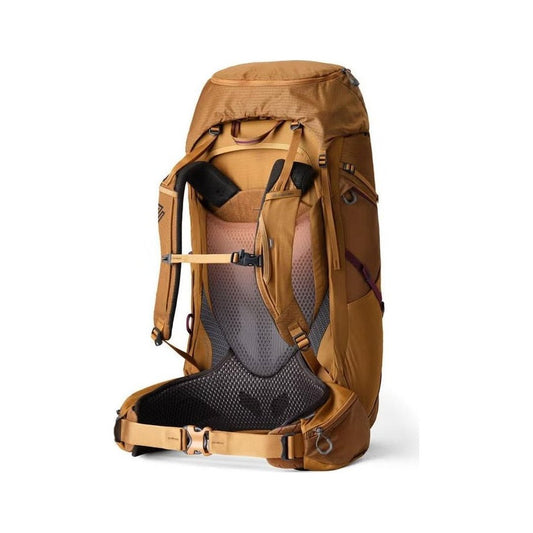
Volume options run from around 60 liters for 3-to-5-day trips up to 70-plus liters for longer expeditions or hikers who carry a heavier base kit. Women's-specific fits are available in large-volume formats, including extended sizing for broader hips and fuller torsos where standard backpacking packs often underperform.
A complete multi-day kit built around one of these packs pairs naturally with a good sleeping bag and shelter system, and the backpacking collection beyond the Gregory line covers additional options if you're comparing across brands.
Gregory Travel Packs
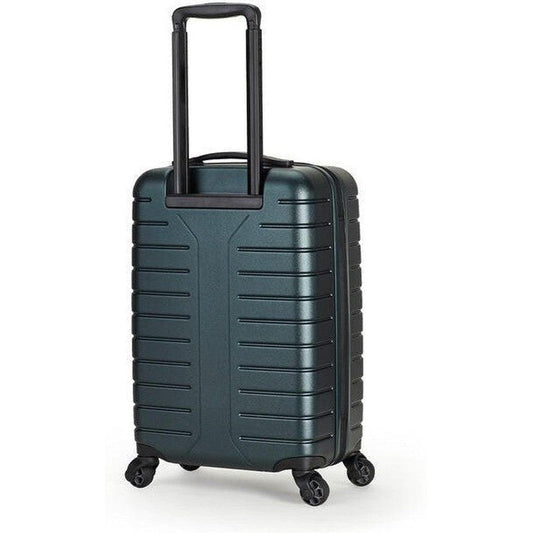
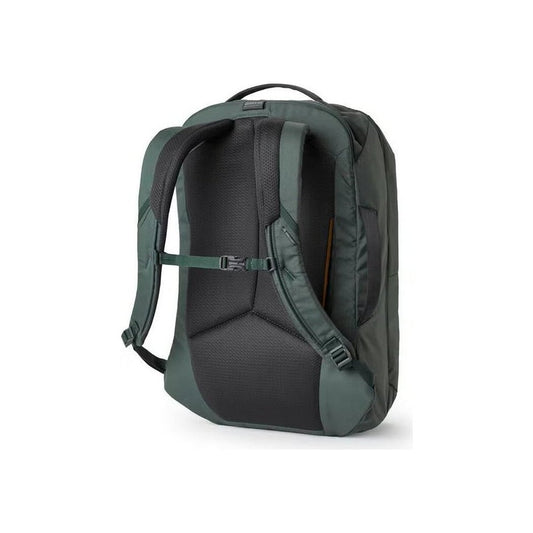
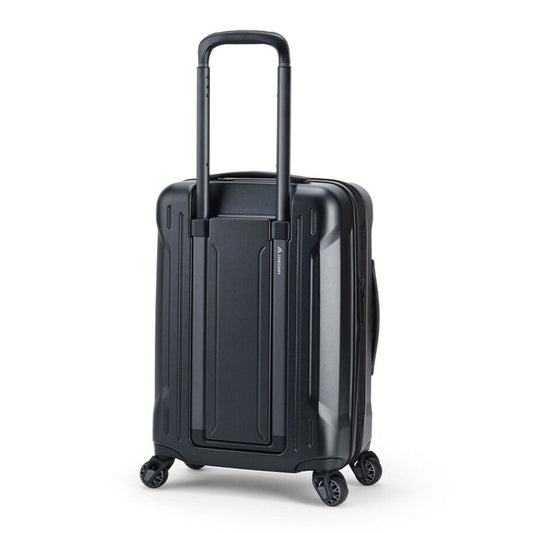
Gregory's travel options in this collection are panel-loading packs designed around the realities of airports and urban travel: laptop access, organized pockets, and profiles that work as carry-on luggage. They bring Gregory's shoulder comfort and build quality into a format that is less trail-specific and more suited to trips where the pack moves between taxis, overhead bins, and light sightseeing.
These are not the right choice for serious hiking, but they are worth considering for anyone who wants a single bag that handles both travel days and casual day hikes within a trip without needing two separate packs.
Gregory Alpaca Camp Gear
The Alpaca line is basecamp organization gear rather than packs meant to be carried on trail. It includes hard-sided gear boxes, soft gear pods, utility totes, and a rolling wagon for moving a large load from a vehicle to a campsite. These work well for car camping trips and group setups where keeping gear sorted, protected, and accessible matters more than packing weight.
The Alpaca line is a practical complement to the backpacking and day-hiking packs for anyone organizing longer base-camping trips or large group outings.
How to Choose the Right Gregory Hiking Backpack
Choosing among Gregory hiking backpacks is easier when you work through a few key factors in order rather than comparing every option at once.
Start with trip type and load
Think about how much you typically carry and for how long. Shorter day hikes without overnight gear generally work in the 16-30L range. Overnight trips with a shelter and sleep system tend to call for more volume. Long backpacking trips with a full kit push into 60L and above. These are starting points, not fixed rules. Your packing style and gear weights affect what volume actually works for you.
Get your torso length right
For backpacking packs especially, torso fit is one of the more consequential factors in how comfortable a loaded pack feels. Measure from the C7 vertebra (the prominent bump at the base of your neck) to the iliac crest (the top of your hip bones), ideally with someone else helping for accuracy. Gregory's backpacking packs use an adjustable torso system, so confirm your measurement falls within the pack's adjustment range before buying. A mismatched torso length tends to show up as shoulder pain or an awkward hip belt position under load.
Men's-specific, women's-specific, or extended fit?
Gregory's day-hiking series comes in gender-specific cuts with differences in hip belt geometry and shoulder harness shape. The women's fit is angled and shaped for a different hip and chest profile than the men's version. Extended fit variants add volume through the hip and torso for hikers where standard sizing leaves the hip belt floating or the shoulder straps pulling. If you have had trouble finding a pack that sits correctly, these variants are worth prioritizing.
Do you use a hydration bladder?
If you hike longer days and prefer drinking on the move, Gregory's hydration-ready daypacks integrate the sleeve and tube routing directly into the pack rather than treating it as an accessory. If you mostly carry bottles or shorter hikes are the norm, this is less of a deciding factor.
Ventilated mesh or foam-contact back panel?
The suspended mesh back panel creates airflow between the pack and your back, which can make a meaningful difference in comfort on warm days or longer efforts. The foam-contact back panel keeps the pack closer, is generally lighter, and is a reasonable trade-off for cooler conditions or shorter hikes where ventilation is less of a priority. Neither is universally better; the choice depends on where and how you hike most.
Pairing your pack with trekking poles on longer hikes? Most Gregory daypacks include lash points for pole storage on technical terrain or rest stops.
Why Shop Gregory at Appalachian Outfitters
Appalachian Outfitters has been an independent outdoor retailer since 1975, which means the staff selling Gregory packs are the same people putting them to use on trails in the region. That background shows up in the kind of buying advice you get, whether you're walking into the store or reaching out before a trip.
The store accepts a broad range of payment methods including Shop Pay, PayPal, Apple Pay, and Google Pay for flexible checkout. And if you're still working out what you need before buying, the Appalachian Outfitters blog is worth a browse for gear guidance and trip-specific advice from people who hike the same terrain you're likely planning for.
Caring for Your Gregory Pack
Cleaning: Hand-wash with mild soap and cool water. Use a soft brush on heavily soiled areas around mesh and seams. Machine washing and tumble drying are not recommended, as heat and mechanical agitation can damage foam, mesh, and hardware over time.
Drying and storage: Air dry completely before storing. Keep the pack in a cool, dry space away from prolonged direct sunlight, which degrades fabric and webbing over time. Leave zippers slightly open during long-term storage to relieve stress on the zipper tape.
General maintenance: Check buckles, compression straps, and hip belt padding periodically for wear. Clean hardware after heavy mud or saltwater exposure. Catch any seam or zipper issues early rather than discovering them mid-trip.
FAQs
What is the difference between Gregory's men's and women's daypacks? Gregory's men's and women's day-hiking series share the same suspended mesh ventilation system but differ in hip belt angle and shoulder harness shape to fit different body proportions. Choose based on which fits better, regardless of the designation.
What does "LT" mean in Gregory pack names? LT stands for Lightweight. LT versions use lighter materials and a streamlined feature set compared to standard versions of the same series, while keeping the same general fit and ventilation system.
What does "Plus" mean in Gregory sizing? Plus-sized packs add volume through the hip belt and torso for hikers with broader hips or fuller torsos where standard sizing does not carry weight correctly. The core design and features are otherwise the same.
How do I measure my torso for a Gregory backpacking pack? Measure from the C7 vertebra at the base of your neck to the iliac crest at the top of your hip bones. Have someone help for accuracy. Confirm your measurement falls within the adjustable range of the pack you're considering before purchasing.
Do Gregory packs come with a rain cover? This varies by model. Check the individual product listing for each pack. A separate pack cover or dry bag liner is a practical addition for wet-weather hiking in any case.
What is the Gregory Alpaca line? Alpaca is Gregory's basecamp and car-camping organization gear, including hard boxes, soft pods, totes, and a rolling wagon. It is designed for campsite use, not for carrying on trail.
Are Gregory hiking backpacks good for plus-size or wider-torso hikers? Yes. Gregory offers extended-fit variants across both the day-hiking and backpacking lines, with additional hip belt and torso volume designed for hikers where standard sizing does not distribute weight correctly.

 Sold out
 Sold out
 Sold out
 Sold out
 Sold out


